Modern facilities require dependable systems protecting entrances and sensitive internal zones. Traditional locks alone rarely manage growing security expectations effectively. Organizations exploring safer entry solutions often learn more about access technologies first. These systems strengthen control while supporting smooth daily movement.
Stronger Entry Oversight Through Smart Authorization
Access control technology manages entry permission through verified digital identification. Instead of traditional keys, staff receive controlled authentication credentials. Security teams monitor movements while maintaining efficient workplace flow.
- Credential verification limits unauthorized entry attempts
- Role based permissions restrict sensitive room access
- Digital logs track visitor and employee movement
- Central dashboards manage access privileges quickly
Facilities benefit from improved oversight without interrupting operations. Clear permission levels simplify supervision for security teams. Consistent monitoring builds confidence across protected environments.
Why Do Modern Buildings Prefer Controlled Entry Systems?
Traditional locks depend heavily on physical key control. Lost keys frequently create unnecessary security vulnerabilities.
Access platforms remove that weakness through centralized authorization. Administrators update permissions instantly whenever staffing responsibilities change. Secure authentication keeps entry decisions consistent across all monitored doors.
Reliable Monitoring With Centralized Security Platforms
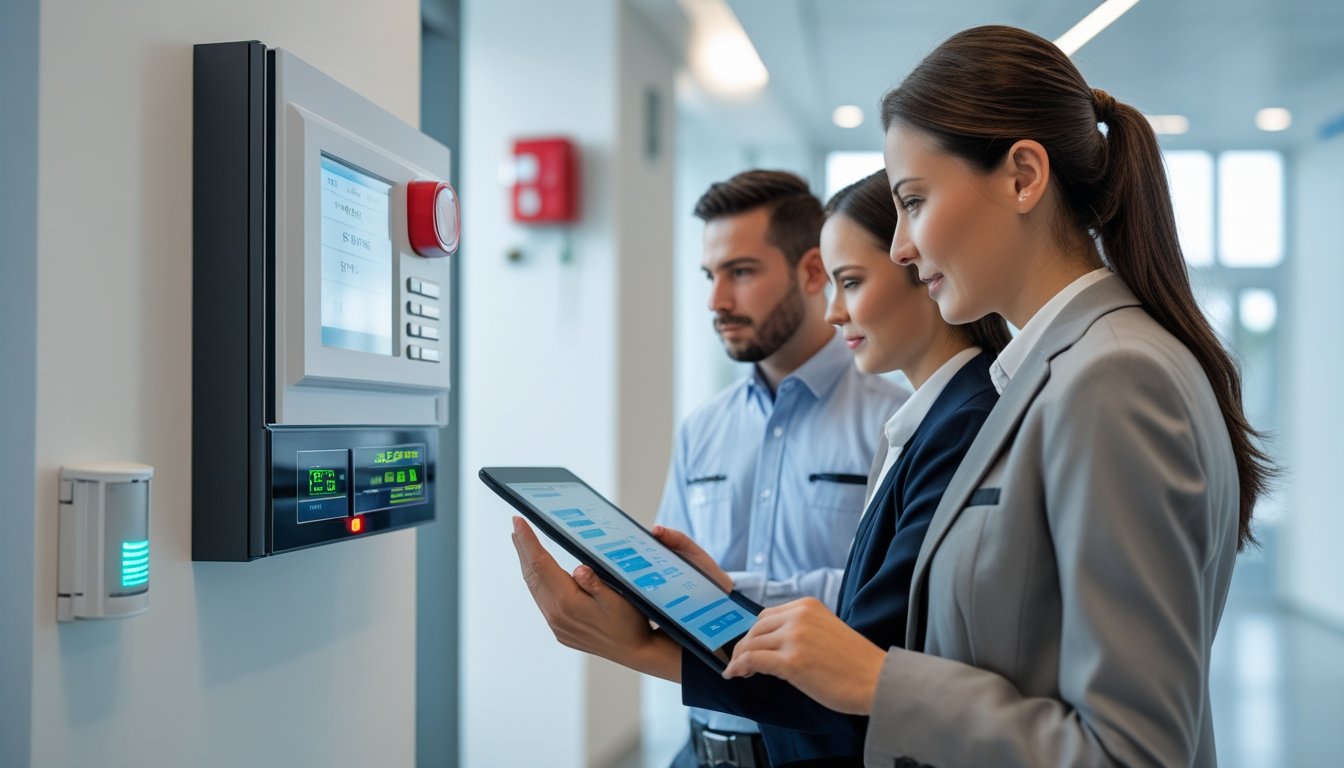
Central management tools coordinate door permissions throughout an entire facility. Administrators supervise entry patterns from one organized interface. Continuous oversight ensures sensitive zones remain carefully protected.
- Central software monitors entry activity instantly
- User permissions update quickly across locations
- Automated alerts signal unusual access attempts
- Security staff review detailed entry records
Strong visibility helps administrators respond quickly during unusual situations. Historical records support investigations if security concerns appear. Reliable monitoring strengthens accountability throughout daily operations.
What Happens When Unauthorized Entry Is Attempted?
The system immediately checks credential validity against stored permissions. Unauthorized attempts trigger alerts visible to security personnel.
Administrators receive notifications identifying door location and attempt details. Immediate awareness allows quick responses before risks escalate. Consistent alerting discourages repeated unauthorized activity within facilities.
Adapting Entry Permissions For Changing Facility Needs
Facilities constantly adjust access levels as responsibilities shift internally. Digital systems simplify updating permissions without replacing hardware. Security managers easily refine control policies whenever needed.
- Temporary credentials support visiting contractors securely
- Department permissions reflect evolving operational responsibilities
- Scheduled access windows protect restricted operational hours
- Revoked credentials instantly disable former employee entry
Flexible permission management strengthens both convenience and safety. Administrators maintain oversight without complicated mechanical changes. Many security teams learn more about these adaptable tools before upgrading.
How Do Employees Interact With Entry Authentication?
Most systems use cards, mobile credentials, or biometric readers. Employees authenticate quickly without slowing daily movement.
Clear authentication procedures keep entry organized during busy hours. Staff quickly become comfortable with consistent verification methods. Reliable authentication strengthens security without creating unnecessary frustration.
Strengthening Safety Through Verified Alarm Insights
Reliable entry control improves workplace confidence across departments daily. Employees feel safer knowing sensitive areas remain properly monitored. Leadership gains clearer oversight regarding facility movement patterns. Strong systems quietly support stability while protecting valuable operations.